
By Sarah Ingles, REALTOR® SRES® CPCU® | Smart Move Des Moines
Smart Move Des Moines helps families navigate every chapter of homeownership — from first-time buyers in Ankeny to seniors downsizing in West Des Moines. As a REALTOR® and Seniors Real Estate Specialist (SRES®) with over 10 years of property insurance expertise, I built this practice around one idea: real estate should be planned, protected, and personal — whether you’re signing your first mortgage or closing the final chapter on a family home.
A first-time buyer picking up keys to their starter home in Ankeny. A growing family trading a two-bedroom for a four-bedroom in Waukee. A retired couple choosing the one-level villa they’ve been eyeing for three years. An adult daughter helping her mom sell the house she raised five kids in — and doing it with grace, not chaos.
These aren’t hypothetical stories. They’re the kinds of moves I help families make every month across the Des Moines metro. And they all share one thing: they went better because someone was thinking three steps ahead.
Here’s how that works, chapter by chapter.
Chapter One: First Keys — First-Time and Early-Career Buyers
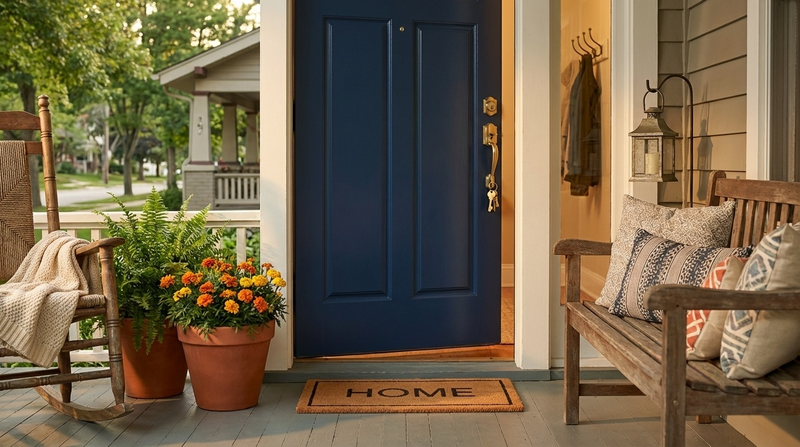
How much do you need to buy your first home in Des Moines? Less than most people think. With Iowa Finance Authority grants starting at $2,500, forgivable DPA programs covering 2–3% of your loan, and FHA loans requiring just 3.5% down, a first-time buyer purchasing a $250,000 home in Ankeny or Urbandale could need as little as $5,000–$8,000 out of pocket after stacking available programs. The first-time buyer grants guide breaks down every program you can combine.
Buying your first home in Des Moines is exciting — and overwhelming. There are more decisions than most people expect, and the stakes feel enormous because they are. You’re committing to a mortgage, a neighborhood, a commute, and a community all at once.
Here’s what I want every first-time buyer to know: you don’t have to figure this out alone, and you don’t need to know everything before we start.
My role is to translate the process into plain language and protect you from the mistakes that cost money, time, or peace of mind. That starts with the basics:
- Clarifying your real budget — not just what a lender approves, but what actually makes sense for your life. I’ll help you think about monthly costs beyond the mortgage: insurance, taxes, maintenance, and HOA fees.
- Understanding neighborhood tradeoffs — commute times, school districts, walkability, resale potential. Every Des Moines neighborhood has strengths. I help you match them to your priorities.
- Catching what others miss — my insurance background means I look at roof age, electrical panels, plumbing, and foundation details before you’re under contract. A beautiful kitchen doesn’t matter if the home can’t be insured affordably.
First-time buyers in Central Iowa have real opportunity in 2026 — inventory is improving and there are tools and calculators that make the numbers clearer than ever. The hardest part isn’t the market. It’s taking the first step. Everything after that, I’ll walk you through.
Chapter Two: Next Chapters — Growing, Moving Up, and Changing Needs

When should you sell your starter home and move up in Des Moines? Most starter home owners build enough equity to move up within 3–7 years. With the Des Moines metro appreciating steadily — median home prices up 12.8% year-over-year — a family who bought a $230,000 starter in Ankeny in 2022 may now have $40,000–$60,000 in usable equity for their next home. The right timing depends on your equity position, your family’s needs, and local inventory in your target neighborhoods.
Life doesn’t stay still, and neither do your housing needs. Maybe you’ve outgrown your starter home. Maybe the school district matters more now than it did five years ago. Maybe remote work changed your commute — or eliminated it entirely — and suddenly suburbs like Grimes or Urbandale are on the table in a way they weren’t before.
Move-up buyers face a unique challenge: you’re selling and buying at the same time. That means two transactions, two timelines, and a whole lot of logistics to coordinate.
This is where a thoughtful plan makes all the difference. Here’s how I help:
- Timing your sale and purchase — we’ll map out the sequence so you’re not homeless between closings or carrying two mortgages. Strategies like contingent offers, rent-backs, and extended closings all have a place depending on your situation.
- Preparing your current home to sell — I’ll tell you which updates actually move the needle and which ones waste money. Every dollar spent on prep should come back as higher offers or faster days on market.
- Maximizing your purchasing power — understanding what your current home is worth gives you a realistic starting point for your next chapter. No guessing, no surprises.
The 2026 Des Moines market rewards preparation. Buyers who show up with a plan — pre-approved, informed, and ready to move — consistently win in competitive situations. My job is to make sure you’re one of them.
Chapter Three: Rightsizing, Aging in Place, and Main-Floor Living
What does rightsizing mean in real estate? Rightsizing means choosing a home that fits your current life — not the life you used to live. Unlike downsizing (which focuses on less space and lower costs), rightsizing focuses on better-fit space. You might move from a 2,400 sq ft two-story to a 1,800 sq ft ranch with an open floor plan — technically smaller, but functionally better for how you live now. Over 60% of my senior clients discover they’re really rightsizing once we map their actual needs. The downsizing vs. rightsizing guide explains the difference and which approach fits you.
There’s a moment — sometimes it arrives at 52, sometimes at 68 — when you look at your home and think: this is more house than I need. The stairs feel unnecessary. The yard feels like a chore. The extra bedrooms collect dust.
That’s not a crisis. It’s clarity. And it’s the beginning of one of the smartest moves you can make.
Rightsizing — choosing a home that fits your current life instead of the life you used to live — is about gaining freedom, not giving something up. Less space to maintain means more time, more energy, and often more financial flexibility.
In the Des Moines metro, the options for one-level and main-floor living are better than ever. Low-maintenance villas with HOA-managed exteriors. Updated ranches in established neighborhoods. New construction with zero-step entries, curbless showers, and main-floor laundry built in as standard features — in communities across West Des Moines, Waukee, and Clive.
As an SRES®-certified Realtor®, I think about details most agents overlook:
- How many steps are between the garage and the kitchen?
- Can the primary bathroom accommodate a walk-in shower or grab bars later?
- Is the entryway safe in winter — flat, covered, well-lit?
- Will the layout still work in 10 years, not just today?
These aren’t hypothetical concerns. They’re the things that determine whether a home serves you well for the long haul — or forces another move sooner than you planned.
Chapter Four: Senior Transitions, Estates, and Final Chapters
How do you sell a parent’s home in Des Moines after they move to senior living? The process involves coordinating the home sale with the senior living transition, managing estate logistics, and often navigating probate if the owner has passed. Iowa’s informal probate process takes 4–9 months. Estate attorney fees run $2,000–$5,000, and carrying costs on an empty home add $1,500–$2,500/month in mortgage, insurance, taxes, and utilities. The guide to selling your parents’ home walks through every step — legal, financial, and emotional.
Some chapters are harder than others. Selling the home where you raised your family. Helping a parent move into senior living. Managing a property after a spouse passes away. Handling an inherited home or estate sale when emotions are already running high.
These transitions deserve care, not speed. And they deserve a Realtor® who understands that this isn’t just a transaction — it’s a life change.
Here’s what I bring to these situations:
- Calm project management — I coordinate the vendors, the timeline, the repairs, and the paperwork so you don’t have to hold everything together yourself. Decluttering services, estate sale partners, contractors, photographers — I have the network and the process.
- Clear communication with family — whether the adult children are local or across the country, I keep everyone informed and aligned. No one gets blindsided, and decisions are made together.
- Patience with the pace — I don’t rush families through hard decisions. If someone needs two months to sort through a lifetime of belongings before we list, we take two months. The market will still be there.
- Insurance and risk awareness — older homes often have coverage challenges (roof age, outdated systems, claims history) that can complicate a sale. I identify those issues early and help resolve them before they become deal-breakers.
The families I work with in these chapters consistently tell me the same thing: “We didn’t know a Realtor® could help with all of this.” That’s the point. Most can’t. But this is what I built Smart Move Des Moines to do.
The Smart Move Approach in 2026: Details, Data, and Human Support
Every chapter I’ve described — first home, move-up, rightsizing, senior transition — looks different on the surface. But the approach underneath is the same.
Local market knowledge. I know which Des Moines neighborhoods are appreciating, which ones are sitting, and where the inventory gaps are. I know the school boundaries, the flood zones, the HOA quirks, and the streets where homes sell in a weekend versus the ones where they linger for weeks.
Technology that works for you. My home search tools use AI-powered matching to surface listings that fit your criteria the moment they hit the market. Digital signatures, virtual tours, and mobile-friendly everything — because your time matters and your schedule isn’t always 9 to 5.
Risk and insurance awareness. Most Realtors® don’t think about insurability. I do — because I spent over a decade in property insurance before becoming a Realtor®. Roof age, electrical panels, plumbing type, CLUE reports, and flood zone status are all part of how I evaluate a home. That background protects my clients from surprises that other buyers don’t see coming.
Senior-specialist focus. My SRES® certification isn’t a line on a business card. It’s the foundation of how I serve a growing part of the Des Moines community — families navigating transitions that are as emotional as they are logistical. I meet people where they are, and I move at their pace.
Whether you’re on your first keys or your final chapters, the throughline is the same: thoughtful planning, honest advocacy, and someone in your corner who has thought three steps ahead.
How We Start: Your Smart Move Plan
No matter which chapter you’re in, working with me starts the same way — with a conversation, not a contract.
Here’s what that looks like:
- A quick conversation about your goals and timeline. Where are you today? Where do you want to be in 6 months, a year, or 5 years? There’s no wrong answer — and no pressure to move fast.
- A review of your current situation. If you own a home, we’ll look at what it might be worth and how it fits into your next step. If you’re buying for the first time, we’ll get clear on budget and priorities.
- A tailored plan. Buy, sell, downsize, relocate, or hold — I’ll map out a path that fits your life, your finances, and your comfort level. Then we move at your pace.
The first step isn’t commitment. It’s clarity. And once you have it, everything after that gets simpler.
Your Next Chapter Starts Whenever You’re Ready
There’s no perfect time to start thinking about your next move — only the right time for you. And wherever you are in that process, you’re not too early and you’re not too late.
If you’re a first-time buyer trying to make sense of the Des Moines market, here’s how I help buyers get started.
If you’re thinking about selling your current home and wondering where to begin, here’s how I help sellers prepare.
If you’re exploring a downsize, a senior transition, or helping a parent figure out their next step, here’s how I help families navigate that process.
And if you just want to talk — no agenda, no obligation — schedule a free consultation or call me directly at (563) 513-8771.
From first keys to final chapters, I’m here to make sure your next move is a smart one.
Frequently Asked Questions About Real Estate in Des Moines
What is the best area to buy a home in Des Moines in 2026?
It depends on your priorities. For families with school-age children, Waukee and Ankeny consistently rank among Iowa’s top school districts. For commuters who want walkability and dining, West Des Moines near Jordan Creek offers the best mix. For value and appreciation potential, Grimes and Bondurant are seeing the strongest growth. For seniors wanting main-floor living, West Des Moines and Urbandale have the most established ranch inventory. The neighborhood comparison tool lets you weigh these factors side by side.
How much does a first-time buyer need for a down payment in Iowa?
Iowa first-time buyers can purchase with as little as 3% down (conventional) or 3.5% down (FHA). On a $250,000 home, that’s $7,500–$8,750 before factoring in assistance programs. IFA grants provide $2,500, forgivable DPA programs cover 2–3% of the loan, and the federal MCC tax credit saves up to $2,000/year. Stacking these programs can reduce your effective out-of-pocket to $5,000 or less. The first-time buyer grants guide explains every program available.
What does an SRES® Realtor do differently than a regular agent?
A Seniors Real Estate Specialist (SRES®) is specifically trained to help adults 55+ navigate housing transitions — downsizing, rightsizing, senior living moves, estate sales, and probate. The SRES® designation requires coursework in senior-specific financing, family dynamics, emotional aspects of late-life moves, and community resources. In practice, this means coordinating with elder-law attorneys, senior living placement services, estate sale companies, and family members who may be managing the transition from out of state.
How long does it take to sell a home in Des Moines in 2026?
The current average days on market across the Des Moines metro is approximately 38 days from listing to accepted offer. Well-prepped homes priced correctly in high-demand areas like West Des Moines and Waukee often sell in 14–21 days. Homes needing updates or in lower-demand areas may take 45–60+ days. Preparation and pricing strategy matter more than market timing — the home sale readiness calculator estimates your net proceeds and timeline.
What makes Smart Move Des Moines different from other Des Moines real estate agents?
Three things: insurance expertise, senior specialization, and technology. With over 10 years in property insurance before becoming a REALTOR®, I evaluate homes for insurability risks — roof age, electrical panels, plumbing type, claims history, and flood zone status — that most agents don’t think about. My SRES® certification means I serve the 55+ community with specialized knowledge and resources.
About Sarah Ingles
Sarah Ingles is a REALTOR®, Seniors Real Estate Specialist (SRES®), and Chartered Property Casualty Underwriter (CPCU®) who founded Smart Move Des Moines, brokered by Fathom Realty. With over 10 years of property insurance expertise, Sarah helps families across the Des Moines metro navigate the emotional and logistical details of selling a parent’s home, handling estate and probate properties, and coordinating senior transitions with patience and clarity.
🗓️Book a Consultation: https://smartmovedsm.com/book
📞Call or Text: 563-513-8771
📧Email: [email protected]
Serving Urbandale, West Des Moines, Waukee, Ankeny, Johnston, Grimes, and the greater Des Moines metro. See what families say about working with Smart Move Des Moines →